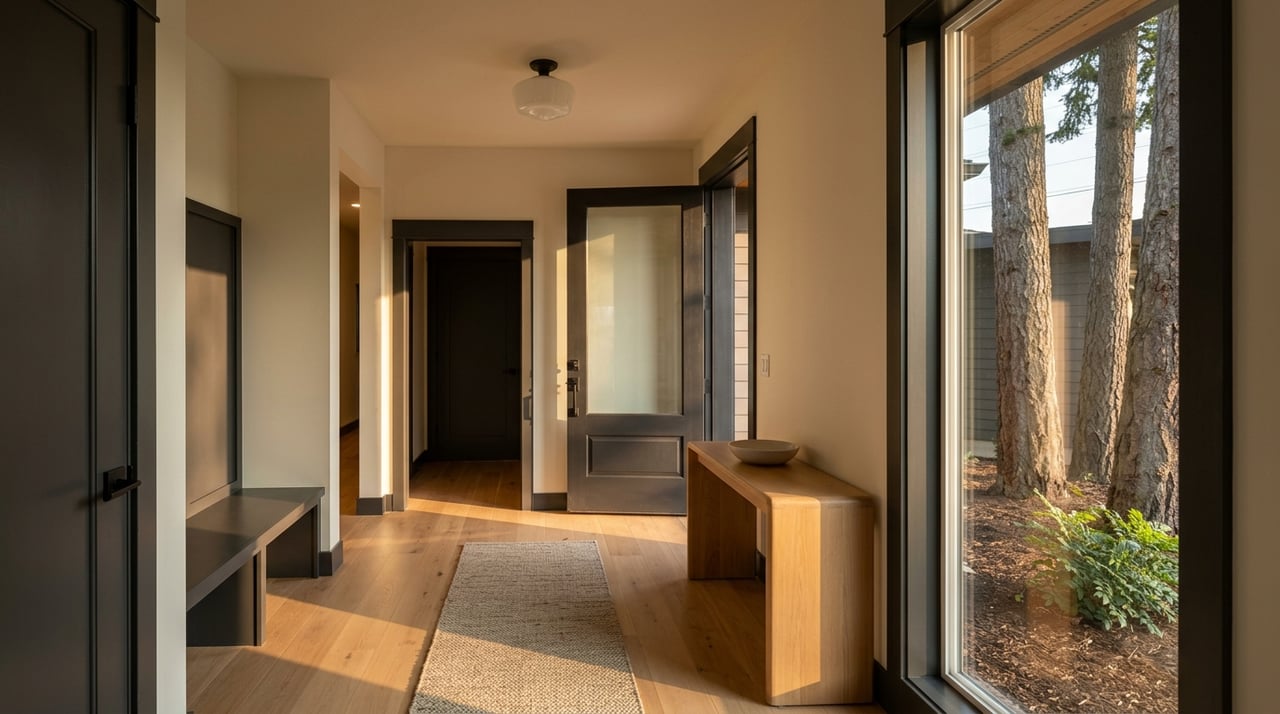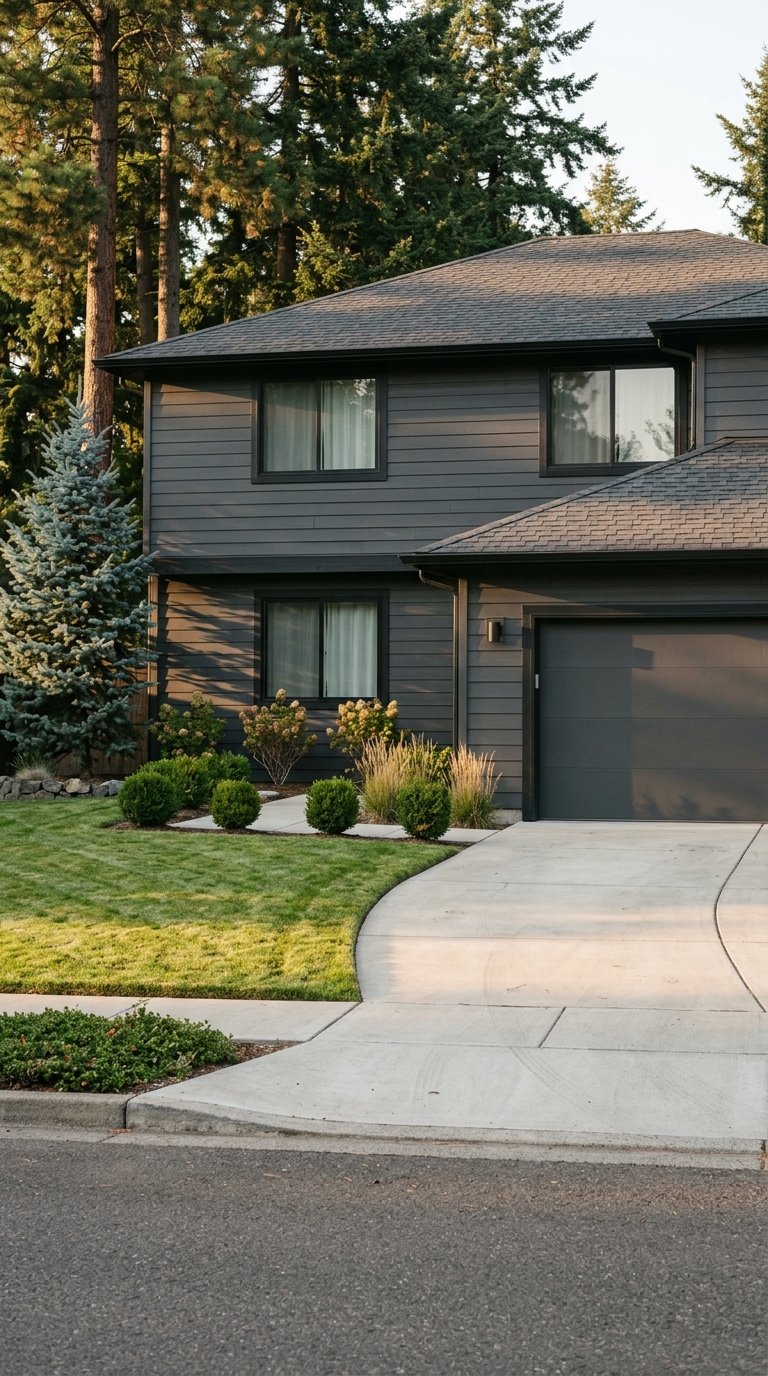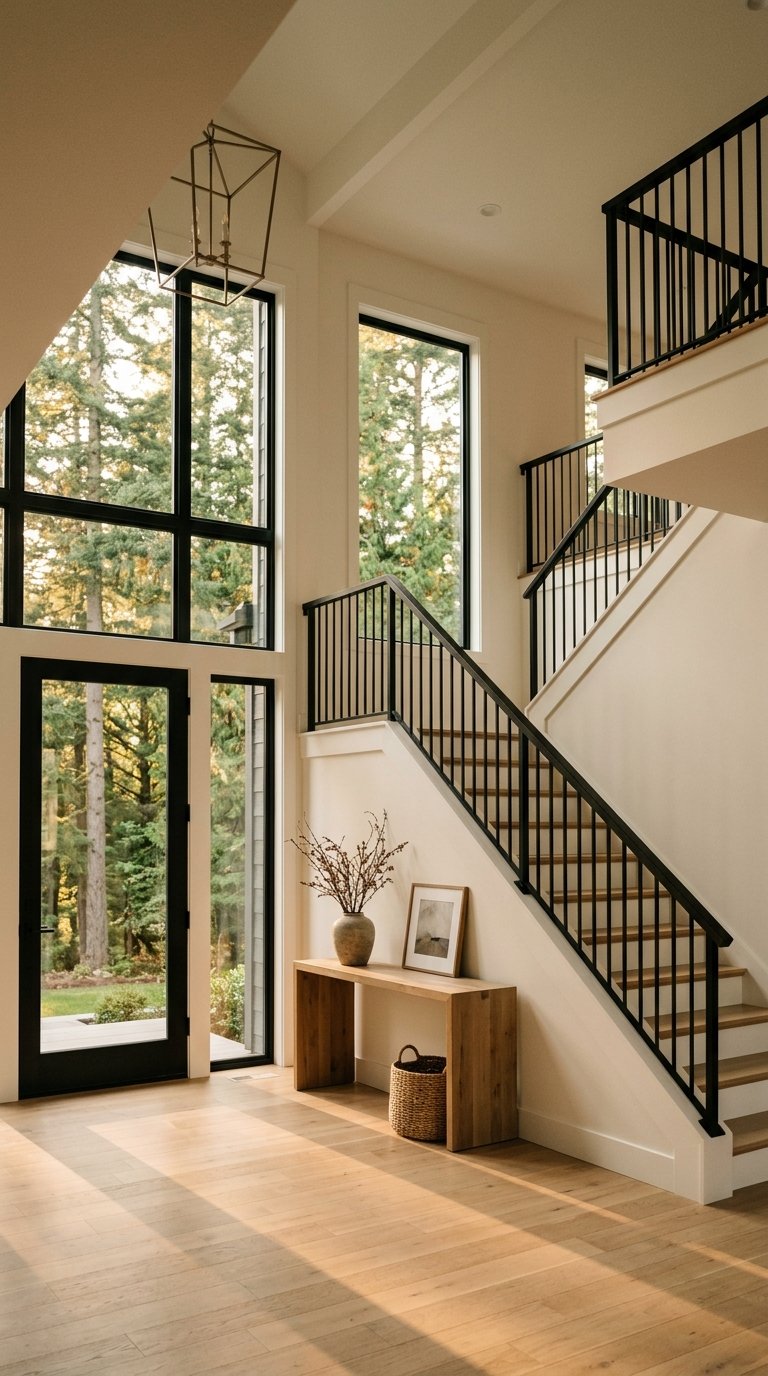
Thinking about moving up in New Plymouth can feel exciting and complicated at the same time. You may be trying to balance your current home sale, a larger purchase, school timing, utility transfers, and a budget that needs to stretch further without feeling risky. The good news is that with the right plan, you can make the move with more clarity and less stress. Let’s dive in.
Understand the New Plymouth market
New Plymouth is a small Payette County community of about 1,500 residents, located roughly 50 miles east of Boise in the Snake River Basin. Because it is a smaller market, the number of available homes can be limited, and pricing signals can shift depending on the source and timing.
Recent public market trackers show a range instead of one exact price point. In spring 2026, reported figures ranged from about $399,000 for median sale price to over $500,000 for median list price and average home value measures. That does not mean the data is wrong. It means New Plymouth is best understood as a small market with changing price signals, where timing, property type, and local inventory matter.
For you as a move-up buyer, that means two things. First, your current home needs a thoughtful pricing and presentation strategy. Second, your purchase plan should leave room for flexibility if the right next home takes time to appear.
Choose your move-up strategy
One of the biggest decisions is whether to sell first, buy first, or overlap the two. For many move-up buyers, selling first is the more common lower-risk path because it reduces the chance of carrying two mortgage payments at once.
Buying first can work in some situations, but it often creates more pressure. If your current home does not sell as quickly as expected, you may be juggling two payments, two move timelines, and more financial stress.
An overlap strategy can help if the timing lines up well, but it still needs careful planning. In a small market like New Plymouth, where available homes may be limited, a little extra time cushion can make a big difference.
Sell first
Selling first can give you a clearer budget for your next purchase. You will have a better sense of your proceeds, your available cash, and how much monthly payment feels comfortable.
This approach can also make your purchase offer simpler. You may be in a stronger position when you are not trying to coordinate two closings at once.
Buy first
Buying first may appeal to you if you want to avoid temporary housing or multiple moves. Still, this path can be riskier if your equity is tied up in your current home.
Before choosing this route, make sure you understand your lender’s requirements and your own comfort level with the monthly numbers. A preapproval letter can help you understand your range, but it is only a tentative step, not a guaranteed loan offer.
Overlap with a buffer
If you try to line up both transactions closely, build in extra breathing room. Inspections, appraisals, final walk-throughs, and closing dates do not always move in a straight line.
Your lender must provide the Closing Disclosure at least three business days before closing. That is one reason a time buffer matters, especially when your sale, purchase, and moving schedule all depend on each other.
Time your preapproval carefully
Preapproval is important, but timing matters. Sellers often want to see a preapproval letter with an offer, yet those letters commonly expire in 30 to 60 days.
If you get preapproved too early, you may end up renewing documents while still searching. If you wait too long, you may not be ready when the right home hits the market. The goal is to get preapproved when you are close enough to act, but not so early that the timeline works against you.
For a move-up purchase, it also helps to talk through how your current home sale affects your financing. A realistic conversation up front can help you avoid chasing homes that do not fit the full picture.
Prepare your current home before listing
Your current home does not need to be perfect, but it does need to feel clear, clean, and easy to understand. Buyers respond better when each room has an obvious purpose and the home feels well cared for.
That matters because staging and presentation influence how buyers experience a home. In the National Association of Realtors’ 2025 staging snapshot, 83% of buyers’ agents said staging made it easier for buyers to visualize a property as a future home, and 60% said it affected some buyers’ view of the home.
In a small market, presentation can matter even more because inventory may be limited and buyers may compare homes very carefully. A strong first impression can help your home stand out without relying on guesswork.
Focus on the basics first
Before listing, it helps to prioritize practical improvements such as:
- Deep cleaning throughout the home
- Decluttering countertops, closets, and storage areas
- Defining each room with a clear use
- Completing small repairs you have been putting off
- Organizing paperwork for any agreed repairs or maintenance
These steps can make showings easier and reduce last-minute stress later. They also support a smoother final walk-through when buyers confirm the home’s condition before closing.
Budget for more than the down payment
A move-up purchase often comes with more costs than buyers expect. It is not just about the next mortgage payment.
You may need funds for your down payment, closing costs, moving expenses, utility setup, cleaning, storage, and small home updates after move-in. Closing costs alone typically run about 2% to 5% of the purchase price, not including the down payment.
If you are selling and buying around the same time, try to think of your budget in layers. You are not just financing a new home. You are managing a full transition from one property to another.
Common move-up costs to plan for
- Down payment
- Purchase closing costs
- Sale-related moving expenses
- Temporary storage or short-term housing if needed
- Utility transfers and deposits
- Immediate repairs or updates after move-in
- Property tax changes and escrow adjustments
When you plan for these costs early, you give yourself better room to make decisions calmly instead of reacting under pressure.
Know the Idaho property tax basics
Property taxes in Idaho are collected by counties, not the state. The county assessor estimates a property’s market value as of January 1, and if you disagree with that value, the first step is to contact the assessor before appealing to the Board of Equalization.
In Payette County, the assessor handles market value questions, while the treasurer collects property taxes. That distinction matters if you have questions after buying your next home.
Property tax bills are mailed in November and due December 20. Idaho also allows payment in two halves, with the second half due June 20 of the following year.
If the home will be your primary residence, Idaho’s homeowner’s exemption may apply. That exemption can remove 50% of the value of an owner-occupied primary residence and up to one acre of land, with a maximum exemption of $125,000, subject to county administration.
Plan the local logistics early
A move-up purchase is not only about contracts and financing. It is also about the day-to-day logistics that help you settle in smoothly.
New Plymouth’s resident resources highlight several of the contacts new residents commonly need, including city water and sanitation, Idaho Power, Intermountain Gas, and local planning, zoning, and building resources. If your move includes service changes, remodel plans, or a gap between closings, having those contacts organized early can save time.
If school timing is part of your move, New Plymouth School District #372 operates separate elementary, middle, and high schools. That makes school registration another smart item to place on your moving timeline instead of leaving it for the last week.
Build a timeline that protects you
When you are moving up, the biggest mistakes usually come from rushing. A simple, realistic timeline helps protect your money, your schedule, and your peace of mind.
A strong move-up plan often looks like this:
- Review your finances and likely budget range.
- Decide whether selling first, buying first, or overlapping makes the most sense.
- Time your preapproval so it matches your actual home search.
- Prepare and list your current home.
- Watch the market closely for the right fit in New Plymouth.
- Leave extra room for inspections, appraisal, and final walk-through.
- Confirm utilities, school contacts, and moving-day logistics.
The exact order may shift based on your goals, but the key is to make each step support the next one. That kind of planning can help you move with more confidence, especially in a market where inventory and price signals can change quickly.
If you are planning a move-up purchase in New Plymouth, having a local strategy can make all the difference. When you are ready to map out your sale, your next purchase, or both, connect with Nikki Owens for guidance tailored to your timeline and goals.
FAQs
How do I plan a move-up purchase in New Plymouth?
- Start by reviewing your budget, choosing whether to sell first or buy first, timing your preapproval carefully, and building a timeline for listing, shopping, closing, and moving.
What is the housing market like in New Plymouth?
- New Plymouth is a small market with limited inventory and mixed price signals across public trackers, so it is smarter to think in terms of a price range rather than one fixed number.
Should I sell my current home before buying in New Plymouth?
- For many move-up buyers, selling first is the lower-risk option because it can reduce the chance of carrying two mortgage payments at the same time.
How long does a mortgage preapproval last for a New Plymouth home purchase?
- A preapproval letter often expires in 30 to 60 days, so it helps to apply when you are close enough to shop seriously and make offers.
What costs should I budget for when moving up in New Plymouth?
- Plan for the down payment, closing costs, moving expenses, utility transfers, possible storage, and any immediate repairs or updates after you move in.
What should I know about property taxes when buying in Payette County?
- In Idaho, counties collect property taxes, the assessor handles value questions, the treasurer collects payments, and bills are generally due December 20, with a second-half payment option due June 20.
What local setup tasks matter after moving to New Plymouth?
- Common next steps include setting up water and sanitation, electric and gas service, checking city planning or building contacts if needed, and handling school registration through New Plymouth School District #372.