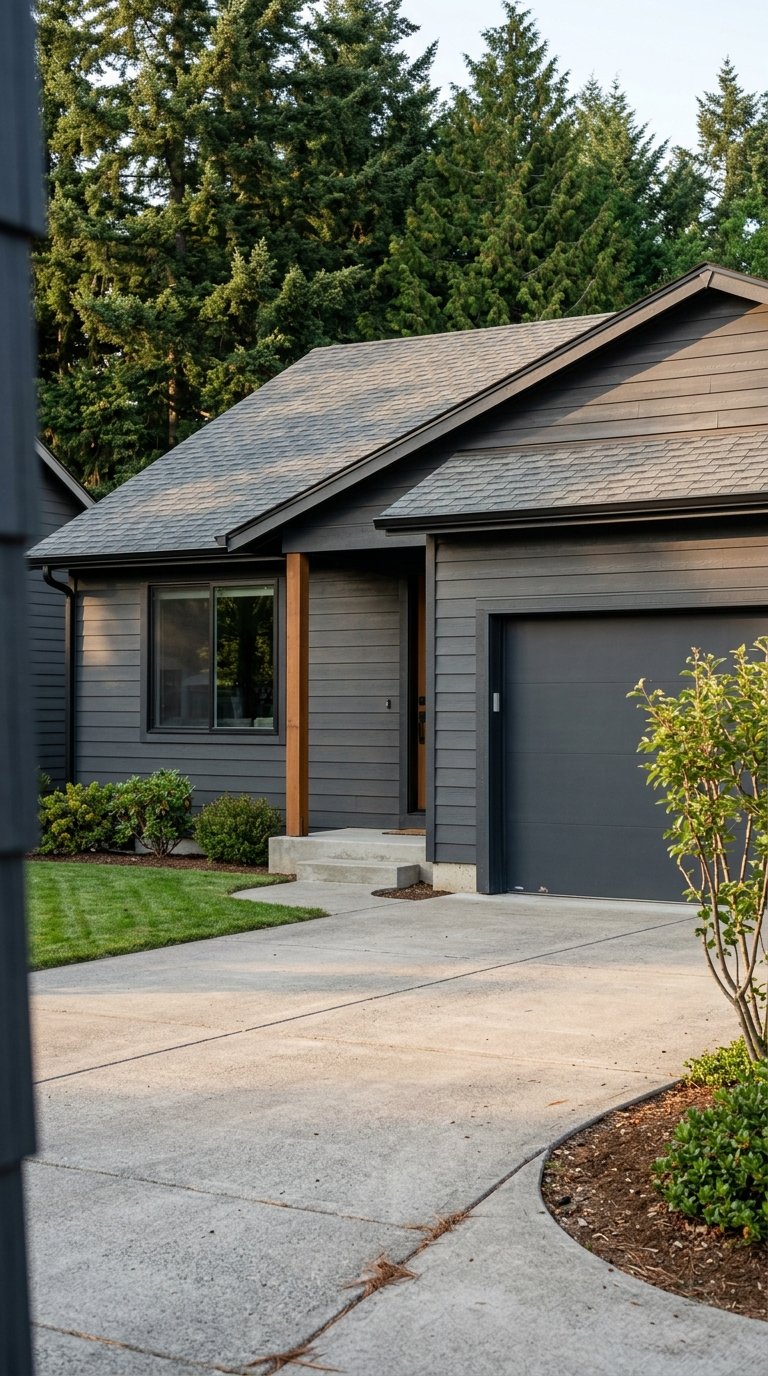
Thinking about buying a brand-new home in Caldwell? You are not alone. With steady growth, active development, and thousands of new structures added in recent years, Caldwell is a place where you may find yourself choosing between resale homes, quick move-in properties, and homes that are still being built. If you want to understand how the new construction process works before you sign anything, this guide will walk you through what to expect and where to pay close attention. Let’s dive in.
Why new construction matters in Caldwell
New construction is a meaningful part of the Caldwell market, not just an occasional option. According to the City of Caldwell Planning & Zoning Division, the city has experienced record growth in the past decade, including more than 4,300 new structures in the last five years.
That growth means you may come across planned communities, phased developments, and homes at different stages of construction while you shop. It also means your buying process may look different from a standard resale purchase, especially if you are buying before the home is finished.
How new construction differs from resale
When you buy a resale home, you are usually evaluating the property as it sits today. Your offer may focus on the current condition, inspection findings, repair requests, and closing timeline.
With new construction, the focus often shifts to the builder contract, deposit terms, estimated completion dates, upgrade selections, and what is included in the purchase price. The home may not be complete when you go under contract, so you are buying both a property and a process.
Another big difference is timing. In Caldwell, the builder’s construction schedule is only part of the story because city review, inspections, and final approvals also affect when a home is ready for occupancy.
The main types of new construction homes
As you explore new homes in Caldwell, you will usually see three broad options.
Spec homes
A spec home is already under construction before a buyer commits to it. This option can offer a shorter wait than building from scratch, though your choices for finishes and layout may be limited.
Quick move-in homes
A quick move-in home is usually near completion or already finished. This can feel more like a resale transaction because the timeline is often shorter and the home is easier to evaluate in person.
Build-from-scratch homes
A build-from-scratch purchase gives you the most input on floor plan, finishes, and upgrades. It also tends to involve the longest timeline and the most decisions along the way, according to Realtor.com’s guide to buying new construction.
What to compare before you choose
The advertised base price is only one part of the picture. When you compare new construction homes in Caldwell, it helps to look at the full package.
You may want to compare:
- Lot size and location within the community
- Included features versus paid upgrades
- Floor plan and layout
- HOA dues, amenities, and community rules
- Estimated completion timeline
- Builder incentives such as financing help or closing-cost assistance
According to Realtor.com, builders may offer incentives like special financing, closing-cost help, or free upgrades. That is why it is smart to compare the total value of each option instead of looking only at the sticker price.
Understanding the builder contract
Once you choose a home or homesite, the next step is usually the builder contract. This is one of the most important parts of the process because it spells out your deposit, the projected construction timeline, what is included, and what happens if delays come up.
The Consumer Financial Protection Bureau says a builder may ask for an upfront builder deposit, also called earnest money. Before you sign, ask when that deposit can be refunded and under what conditions it may be at risk.
The CFPB also recommends making your purchase contract contingent on financing and a satisfactory inspection. Even with a brand-new home, those protections still matter.
Why financing still deserves careful shopping
One common misconception is that you have to use the builder’s preferred lender. The CFPB says you do not have to use the builder’s affiliated lender, and you have the right to shop around for a better deal.
That matters because a builder incentive may sound attractive on the surface, but it should still be weighed against the loan terms, interest rate, fees, and long-term cost. You should also plan for closing costs, which the CFPB says typically range from 2% to 5% of the purchase price, not including your down payment.
Selections, upgrades, and change orders
One of the biggest appeals of new construction is the chance to personalize your home. Depending on the stage of the build, you may be able to choose finishes, materials, fixtures, or upgrade packages.
This part is exciting, but it can also affect your budget quickly. If you decide to change something after the contract is signed, that update is usually handled through a change order. According to Realtor.com’s explanation of new construction terms, change orders can affect both cost and completion timing.
A good rule is to get every promised feature, allowance, and upgrade in writing. Verbal conversations are helpful, but written terms are what protect you if questions come up later.
Caldwell permits and inspections explained
In Caldwell, the city plays an important role in the path from construction to move-in. The City of Caldwell Building Safety Division oversees the review, approval, and inspection of building projects within the city.
That process includes permit review, plan review, and inspections at different phases of construction. The city also notes that permits must be issued before inspections can be scheduled, and a certificate of occupancy is issued only after approved work passes inspection through the city’s system, as described in its online portal services information.
For you as a buyer, this means the move-in date depends on more than the builder’s internal target date. Municipal approvals are part of the timeline too.
City inspections versus your inspection
This is where many buyers get confused. City inspections and a buyer’s home inspection are not the same thing.
City inspections are part of the official code-compliance process. A buyer-paid inspection is for your own protection. The CFPB recommends scheduling an independent inspection as soon as possible and choosing an inspector who is thorough and accountable to you.
Even if the home is brand new, an independent inspection still matters. It can help identify workmanship issues, incomplete items, or concerns you may want addressed before closing.
The final walk-through and closing
Before closing, you should do a final walk-through. The CFPB recommends using that step to confirm that agreed repairs are complete and that included items are in place.
In a new construction purchase, the final walk-through is especially important because there may be punch-list items, missing fixtures, or finish details that need to be checked before you sign your final documents. This is your chance to make sure the delivered home matches the agreement as closely as possible.
Do not overlook HOA rules and lot details
In many new construction communities, the lot and the neighborhood rules matter almost as much as the home itself. Realtor.com advises buyers to review HOA dues, amenities, and covenants, conditions, and restrictions.
Those rules can affect parking, pets, exterior changes, and everyday use of the property. Before you commit, make sure you understand what is allowed, what fees apply, and what responsibilities come with living in that community.
Why your own agent matters
If you visit a model home or sales office, it is important to understand who represents whom. According to Realtor.com, the on-site agent works for the builder, not for you.
That does not mean the process has to feel adversarial. It just means you benefit from having your own advocate to help you compare incentives, review contract terms, track deadlines, and encourage an independent inspection.
This is especially helpful if you are comparing several Caldwell communities at once or buying from out of town. Some builders also require your buyer’s agent to be present or registered on your first visit, so it is wise to bring your representation in early.
What happens after you move in
Closing is not always the end of the conversation with a builder. New construction often comes with a builder warranty, and you will want to know what it covers, how long coverage lasts, and how service requests are handled.
According to Realtor.com, builder warranties generally cover materials, workmanship, and mechanical issues for the first year or two after closing, while structural coverage often lasts about eight to ten years. Appliance warranties may be separate, so it is worth organizing those documents early.
A simple new construction roadmap
If you want the process in plain English, here is the typical path:
- Tour communities, lots, and available homes.
- Compare base price, included features, upgrades, and HOA details.
- Review builder incentives and shop financing options.
- Sign the builder contract and understand deposit terms.
- Make selections and track deadlines for upgrades or changes.
- Follow construction updates and watch for timeline shifts.
- Schedule an independent inspection when appropriate.
- Complete your final walk-through.
- Close after the home receives required approvals for occupancy.
- Keep warranty information for post-closing service.
Buying new construction in Caldwell can be a great fit if you want a newer floor plan, modern features, and the chance to personalize parts of your home. The key is understanding that you are not just buying a house. You are buying into a timeline, a contract, a set of community rules, and a series of decisions that can shape your budget and move-in date.
If you want guidance comparing builders, communities, and contract details in Caldwell, connect with Nikki Owens. You will have a local resource to help you make sense of the process and move forward with more confidence.
FAQs
What does new construction homebuying in Caldwell usually involve?
- New construction homebuying in Caldwell usually involves choosing a community and lot, reviewing a builder contract, tracking construction progress, completing inspections, and closing after the home receives required occupancy approval.
Do you need an independent inspection for a new construction home in Caldwell?
- Yes. Even with a brand-new home, the CFPB recommends an independent inspection to help identify workmanship issues, incomplete items, or other concerns before closing.
Can a buyer shop for lenders when buying new construction in Caldwell?
- Yes. The CFPB says you do not have to use the builder’s affiliated lender, so you can compare loan options and costs before choosing financing.
How are builder deposits handled in a Caldwell new construction purchase?
- A builder may ask for an upfront deposit, also called earnest money, and you should ask exactly when that deposit is refundable and what contract terms affect it.
What should buyers review in a Caldwell new construction community besides the home itself?
- Buyers should also review HOA dues, amenities, community rules, lot details, included features, upgrade costs, and the projected construction timeline.