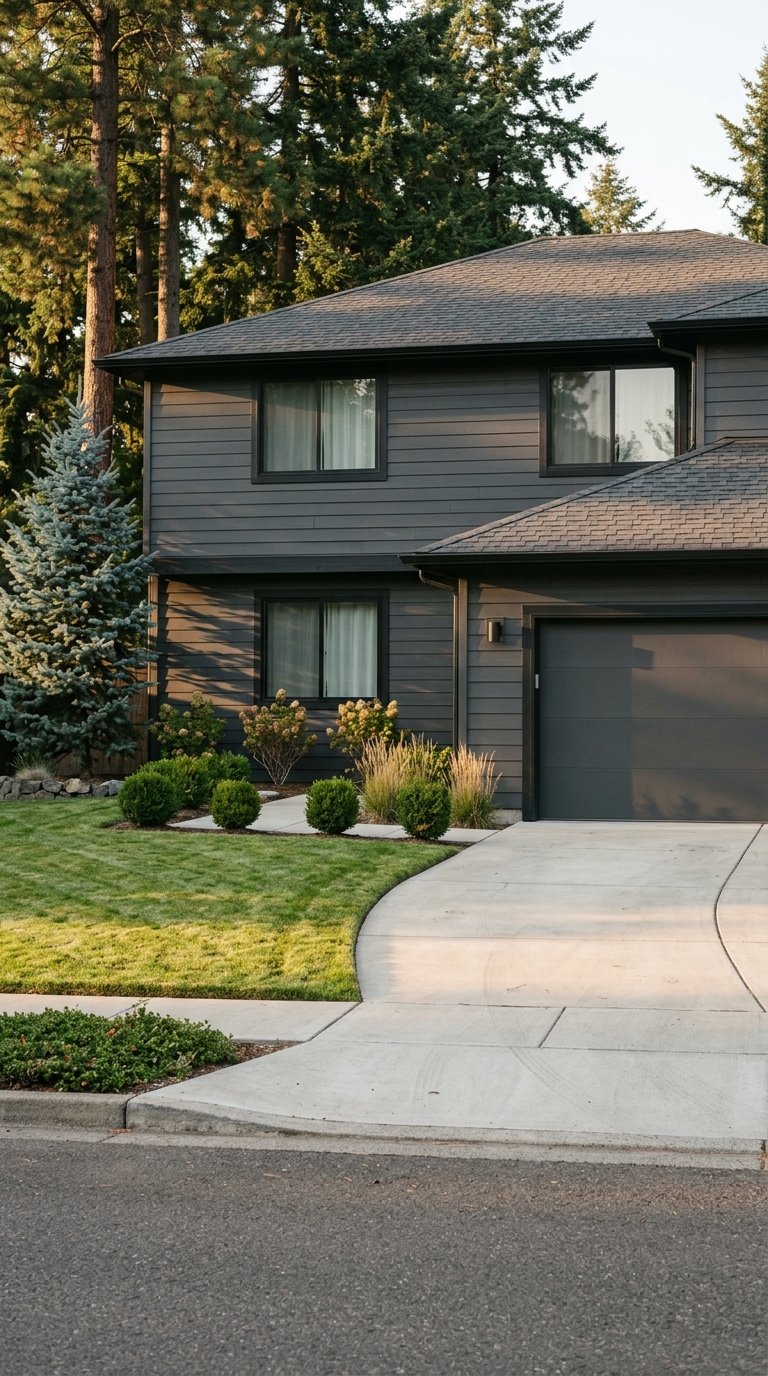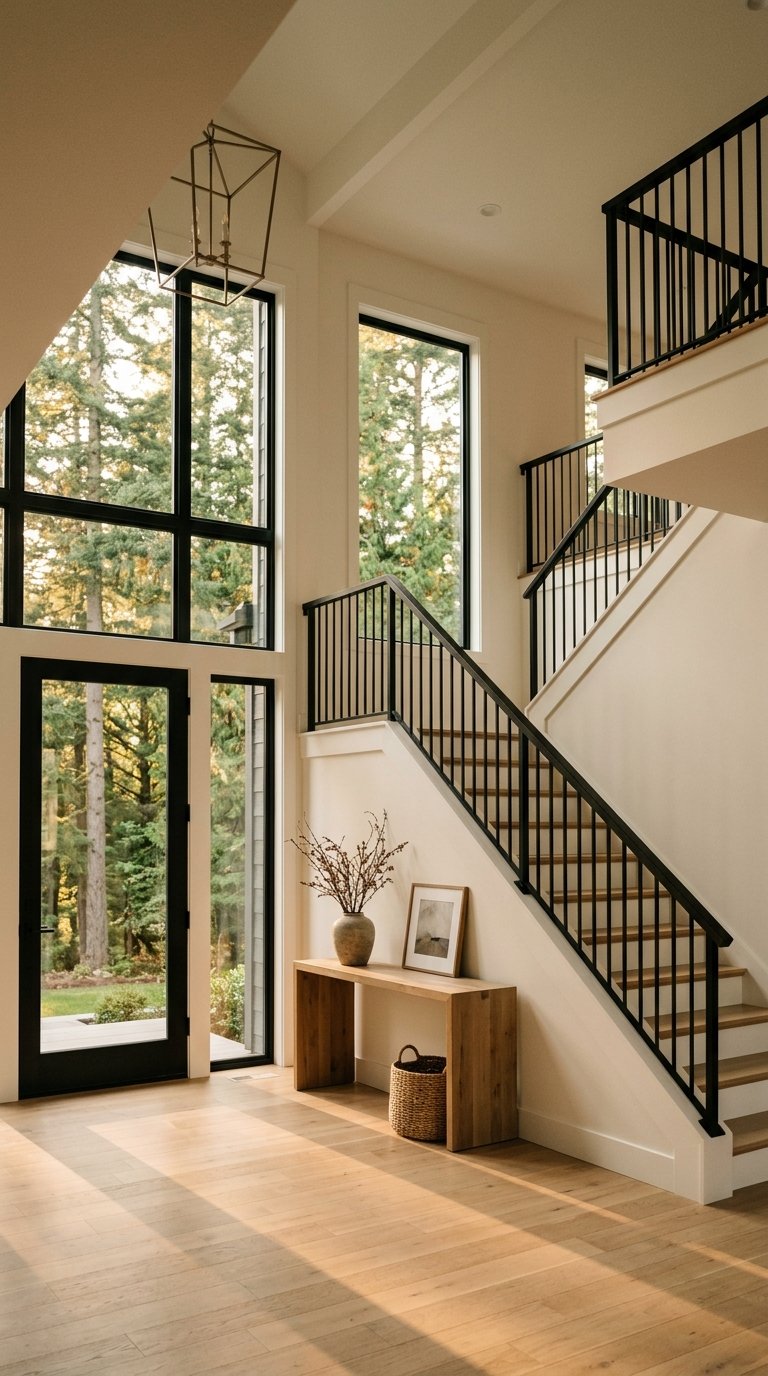
Thinking about turning your McCall home into a short-term rental? It can be a smart way to make use of a property in a popular four-season destination, but it is not something you want to start without a plan. The rules, costs, and day-to-day responsibilities can look very different depending on where your property sits and how you want to use it. This guide walks you through the basics so you can make a more confident ownership decision. Let’s dive in.
Start With Location First
Before you think about pricing, bookings, or furnishings, you need to confirm which jurisdiction controls your property. In the McCall area, that means figuring out whether your home is inside McCall city limits or in the McCall Impact Area.
That distinction matters because the rules are different. The City of McCall says the Impact Area is a separate planning jurisdiction coordinated with Valley County, and final land-use decisions there are made by county commissioners. In practical terms, two homes with McCall mailing addresses may follow different short-term rental processes.
McCall City Limits Rules
If your property is inside McCall city limits, you need an active short-term rental permit before you advertise or operate. The city ties that permit to one dwelling unit, requires annual renewal, and cancels the permit when ownership changes.
McCall also requires an annual fire, health, and safety inspection. Owners must post a rules sheet at the property and keep operational details current. If you are buying a home with plans to rent it short term, it is important to know that an existing permit does not simply transfer to you at closing.
McCall Impact Area Rules
If your property is in the McCall Impact Area, Valley County uses a different process. The county’s short-term rental code uses an administrative permit, and it limits properties to one short-term rental unit per parcel unless a conditional use permit is approved.
The county also does not treat an existing short-term rental as grandfathered. That means you should not assume a current setup automatically protects future use. Valley County’s application materials also specifically tell owners to review subdivision CC&Rs before moving forward.
What You Will Likely Need
Whether your property is in the city or the Impact Area, you should expect to gather detailed information before applying. Most owners will need documents and operating plans that show how the rental will function in a residential setting.
Common items include:
- A floor plan
- A site plan with parking details
- Occupancy information
- Proof of ownership
- Local contact information
- Trash or garbage service information
- Posted rules for guests
- An emergency exit plan
In McCall, the city also requires notice to property owners within 300 feet as part of the process. Valley County asks for similar operational details through its application.
Budget for Ongoing Costs
A short-term rental is not just a one-time setup. You should plan for recurring permit costs, inspections, and annual updates.
McCall lists a $225 short-term rental application fee, plus the required annual fire, health, and safety inspection. Valley County also requires an annual update or report for each permit. If you are running the numbers on rental income, these recurring items should be part of your budget from the start.
Understand Taxes Before You Launch
Taxes are another part of the setup you do not want to leave for later. McCall’s current Local Option Tax page says lodging businesses, including short-term home rentals, collect an additional 7% tax for a total of 8% in taxes collected by lodging establishments.
The Idaho State Tax Commission says lodging stays of 30 days or less are taxable and may involve state sales tax plus the 2% travel and convention tax. The commission also notes that some registered short-term rental marketplaces may handle reporting and remittance. Even so, it is wise to confirm exactly how taxes will be collected and submitted before you begin hosting.
Check HOA and CC&R Restrictions
A permit is only part of the picture. You also need to review any subdivision rules, HOA documents, and CC&Rs that apply to your property.
This matters because private community rules may be more restrictive than local permit rules. Valley County’s own application tells owners to check CC&Rs before assuming short-term rental use is allowed, and county code allows notice to an active homeowners association when a permit is issued.
If you are buying with rental income in mind, this step is worth doing early. It can help you avoid surprises after closing.
Know the Use Limits
In both McCall and Valley County, short-term rentals are regulated as residential uses, not event venues. That means owners cannot use them for weddings, retreats, seminars, team-building events, or similar activities unless separate approval is in place.
Valley County also says RVs or tents cannot be used to increase occupancy. If your plan depends on large gatherings or overflow sleeping arrangements, that is a sign to slow down and verify what is actually allowed.
Neighborhood Rules Matter
A successful short-term rental is not only about bookings. It also depends on how well the property operates within the surrounding neighborhood.
McCall requires parking to stay off the public right-of-way, limits late-night noise, and requires posted rules. Valley County adds quiet hours, bans outdoor amplified sound, and includes standards tied to fire pits, lighting, and lot coverage.
These rules shape the guest experience you can realistically offer. They also affect how you write house rules, how you screen guests, and how often you may need local support.
Why a Local Contact Is Important
For many owners, the local contact requirement is where short-term rentals become more hands-on than expected. McCall requires a local contact person or property manager who can respond quickly to complaints, and the city says neighbors should first contact that person before filing a complaint.
If you live out of town or use the property only seasonally, this is a big operational consideration. A professional property manager or dependable local co-host may help cover complaint response, guest communication, and on-the-ground issues when you are not nearby.
McCall Is a Seasonal Market
McCall is a true four-season destination, and that affects how owners should think about revenue and use. Visit McCall organizes travel by spring, summer, fall, and winter, and the area promotes seasonal events, winter lodging packages, and outdoor recreation throughout the year.
Its ski information also points to three alpine ski areas and about 300 inches of annual snowfall. That kind of tourism pattern suggests demand may rise and fall with the season, holiday periods, and major events.
Because of that, your short-term rental plan should match your lifestyle and expectations. Valley County’s application even distinguishes between full-time, year-round rentals and part-time, seasonal rentals. That is a useful framework when you are deciding how much personal use you want, how you will handle vacancy periods, and whether the income model makes sense for your goals.
Decide If You Need a Manager
Some owners want a hands-on rental business. Others want a property that can offset costs without becoming a second job. The right setup depends on your schedule, proximity, and comfort with operations.
A property manager can be especially useful for tasks like permit renewals, tax remittance, guest communication, complaint response, and local-contact coverage. McCall’s FAQ notes that several property management companies collect and remit taxes for the homes they manage, but owners should confirm exactly which responsibilities the manager will handle.
That last part is important. Not every manager offers the same level of service, so you want to know who is handling permits, inspections, taxes, cleaning coordination, maintenance calls, and guest issues before you rely on them.
A Smart Way to Evaluate Your Property
If you are considering a short-term rental in McCall, a practical first pass looks like this:
- Confirm whether the property is in McCall city limits or the McCall Impact Area.
- Review HOA rules, subdivision documents, and CC&Rs.
- Estimate permit fees, inspections, taxes, and annual compliance costs.
- Think through parking, occupancy, posted rules, and neighbor impact.
- Decide whether you will self-manage or hire local help.
- Match your rental plan to seasonal demand and your personal-use goals.
This kind of upfront review can save you time and stress later. It also helps you make a better decision before you buy, convert, or market a home as a short-term rental.
If you are weighing a McCall property for personal use, investment potential, or a mix of both, having local real estate guidance can make the process clearer. For help evaluating your options and finding a property that fits your goals, connect with Nikki Owens.
FAQs
What short-term rental permit does a McCall homeowner need?
- It depends on whether your property is inside McCall city limits or in the McCall Impact Area. City properties need an active McCall short-term rental permit, while Impact Area properties follow Valley County’s permit process.
What does the City of McCall require before operating a short-term rental?
- The City of McCall requires an active permit before advertising or operating, annual renewal, a posted rules sheet, and an annual fire, health, and safety inspection.
What should a Valley County homeowner check before using a McCall-area home as a short-term rental?
- Valley County tells owners to review subdivision CC&Rs and HOA rules, because private restrictions may affect whether short-term rental use is allowed.
What taxes apply to short-term rentals in McCall?
- McCall’s Local Option Tax page says lodging businesses, including short-term home rentals, collect an additional 7% tax for a total of 8% in taxes collected by lodging establishments, and Idaho says stays of 30 days or less may also involve state sales tax plus the 2% travel and convention tax.
Can a McCall short-term rental be used for weddings or events?
- No, city and county rules regulate short-term rentals as residential uses, not event venues, unless separate approval is obtained.
Why do McCall short-term rental owners need a local contact?
- McCall requires a local contact person or property manager who can respond quickly to complaints, which helps address neighborhood issues and day-to-day guest problems.