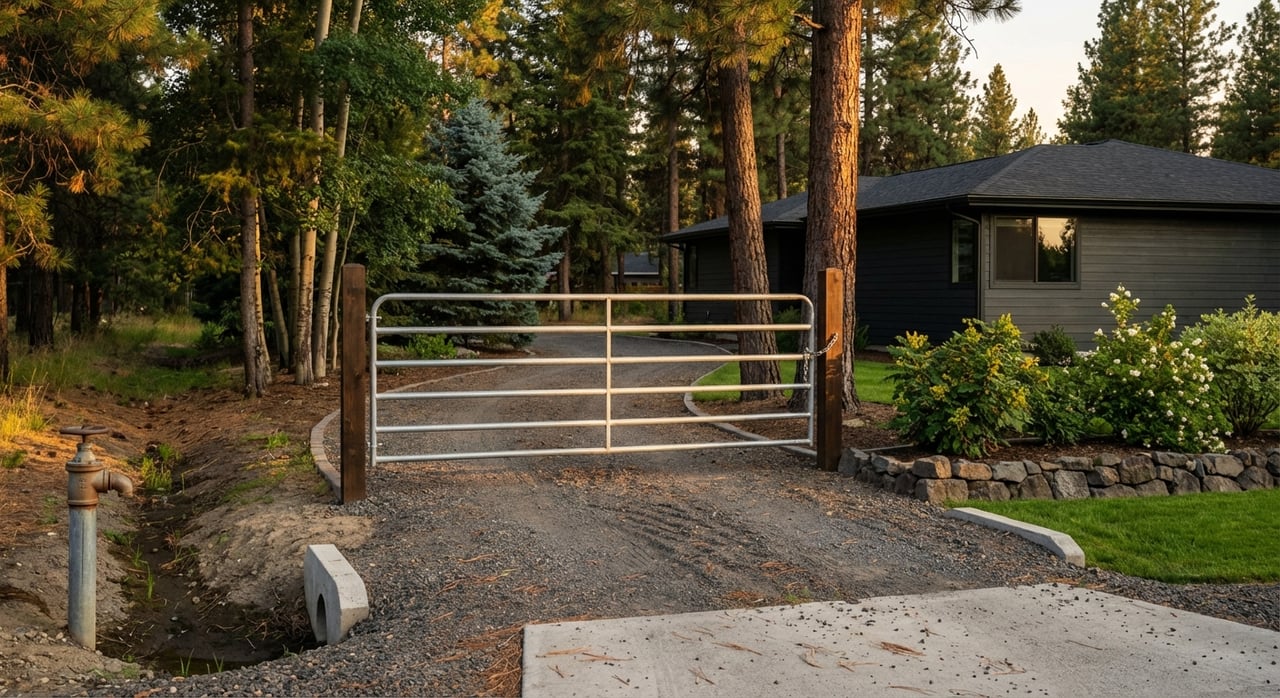
Ever dream of waking up to open views, garden space, and room for a shop, but worry about the extra steps that come with buying land? You are not alone. Buying acreage in Payette County is different from buying a subdivision home, and the details matter. In this guide, you will learn the key checks that protect your budget and timeline so you can buy with confidence. Let’s dive in.
Why acreage here is different
Acreage in Payette County often sits in unincorporated areas where county rules control what you can build, how you access roads, and how you use water. The county’s Planning & Zoning team keeps the Comprehensive Plan and zoning maps that guide allowed uses and setbacks. Start your research by reviewing the county planning resources and speaking with staff at Payette County Planning & Zoning.
Unlike subdivision lots, rural parcels may qualify for agricultural building exemptions, may rely on private roads, and usually need on‑site septic and wells. You will also verify irrigation water through an irrigation district, not the tap of a city utility. These are normal steps here, and you can move quickly if you line up the right checks early.
Zoning and setbacks: start here
Zoning shapes what you can build and where you can place it. Payette County’s zoning code (Title 8) sets use types, minimum setbacks, and rules for land divisions. Review the current code before you assume you can add a second dwelling, split the lot, or place a shop. You can read the zoning chapters in the Payette County code library.
Many river or canal edges carry special setbacks. For example, the AG Siting checklist identifies river setbacks, such as 75 feet from the high‑water mark along the Payette or Snake River. When in doubt, confirm with Planning & Zoning so the site plan you imagine will fit.
Permits and the AG siting process
Payette County requires building permits for most structures, and permit applications often need proof of an approved septic permit up front. Agricultural buildings have a specific process. The county’s AG Siting Permit Application describes when an agricultural building qualifies for an exemption, commonly on parcels larger than 5 acres when used for bona fide farm purposes and not as a residence or public facility.
The AG Siting application also lists what you must attach, including a site plan, proof of road access permits when you tie into a county road or state highway, health district paperwork for septic, and letters from any irrigation or drainage districts. You can review permit requirements at Payette County Building Safety and download the AG Siting application checklist.
Water, wells, and irrigation rights
In Idaho, water is a separate property right. Do not assume that a green field or existing pump means you have usable water for a home or for irrigation. The Idaho Department of Water Resources explains how to verify an existing right, how adjudication works, and the special rules for small domestic and stockwater uses. A commonly referenced de minimis threshold for those small uses is 13,000 gallons per day, but you still confirm the legal basis of any use. Start with IDWR’s water rights adjudication guidance.
Many Payette County parcels sit within irrigation districts. In the Payette area, the Black Canyon Irrigation District is a frequent example. Districts control water orders, crossings, pump locations, and share transfers. If a listing notes shares, ask for receipts and confirm with the district. You can review district practices in the Black Canyon Irrigation District FAQ.
Septic system basics
Most acreage here uses on‑site wastewater systems. Before you plan a home, confirm whether the parcel has an existing septic permit or as‑built, and whether the soils can support the system your home needs. The county requires septic approval as part of building permit review, and the local public health district handles on‑site sewage permits. Check requirements with Payette County Building Safety and contact Southwest District Health to discuss site evaluations, designs, and timelines.
Access, roads, and easements
If your driveway connects to a county road or a state highway, you may need an access permit. The AG Siting checklist calls this out, and it often affects your site plan and timing. If access is over a private road, verify a recorded maintenance agreement and who pays for grading and snow removal. Title records and surveys will help you spot shared driveways, ditch laterals, or utility easements that limit building locations.
Taxes and agricultural classification
Idaho law allows land that is actively devoted to agriculture to be valued on its actual use, which can lower tax assessments compared to speculative market value. Qualification depends on statute and local assessor application. Ask the assessor whether the parcel has agricultural classification and what documentation is on file. You can read the state’s valuation approach in Idaho Code Title 63.
Flood zones and river setbacks
Parcels near rivers, reservoirs, and low‑lying ground may be within FEMA floodplains or county flood hazard areas. Confirm flood status early so you understand insurance needs and building limitations. Use the FEMA Map Service Center to check the property’s flood map and discuss any river setback requirements with Planning & Zoning or Building Safety.
Utilities and connectivity
Before you budget for power, gas, and internet, call utility providers to confirm availability, service‑drop requirements, and fees. Electric service in the Payette area is primarily provided by Idaho Power, and line extensions can affect total project cost and schedule. For internet, fixed broadband can vary in rural pockets, so check availability by address and plan for alternatives if needed.
Your due‑diligence checklist
Use this quick checklist as you evaluate any acreage in Payette County. Make these items early offer conditions or formal contingencies whenever possible.
Parcel records and tax status
- Pull the county assessor report for owner details, parcel ID, assessed value, and current tax status. Check for agricultural classification. Start with the Payette County Assessor parcel search.
Recorded documents and CC&Rs
- Search for easements, CC&Rs, road covenants, and prior right‑of‑way dedications. The clerk’s office explains how to view recorded documents online. See the Payette County Clerk and Recorder.
Survey and boundary
- Order a current boundary or ALTA survey. Verify fence lines, gates, ditch laterals, and any encroachments. Ask your surveyor to map easements onto the site plan.
Water availability
- Ask the seller for irrigation share receipts and verify counts with the district. Confirm any surface or groundwater rights with IDWR and note permit conditions or limits. Begin with IDWR’s adjudication resources.
Septic and well feasibility
- Request existing septic permits or as‑builts. Contact Southwest District Health for site and soils evaluations and system design guidance. Plan for well logs and discuss depth and yield with a licensed driller.
Roads and access
- Confirm whether the road is county maintained, state highway fronting, or private. For new construction, ask what access permits are required and where the driveway can be placed.
Utilities and connectivity
- Confirm power availability and extension costs. Check internet options and speeds by address to set expectations for fixed broadband, fixed wireless, or satellite.
Title and closing items
- Order a title commitment that lists all easements, mineral reservations, and CC&Rs. Ask your closer to identify any irrigation liens or assessments.
Permitting test run
- Share your proposed home, shop, or barn plan with county staff. Ask for the required permits, estimated timelines, and whether a variance or conditional use permit is likely. Start with Planning & Zoning or Building Safety.
Engage local experts early
- Line up a surveyor, septic designer, title company, and contractor. For complex water rights or easement issues, consider an attorney who handles rural transactions.
Work with a local acreage specialist
Buying land should feel exciting, not overwhelming. With the right plan, you can secure water, septic, access, and permits without surprises. If you want a partner who knows Payette County’s process, local districts, and how to structure clean, contingency‑smart offers, reach out to Nikki Owens. You will get clear next steps, responsive communication, and a smooth path from research to closing.
FAQs
Do irrigation shares guarantee water for a new Payette County acreage home?
- No. Shares and water rights are separate from domestic well use, and each district has its own rules. Verify recorded rights and shares, and confirm district policies before you buy.
How big must my parcel be to use the agricultural building exemption in Payette County?
- The county applies the exemption to qualifying agricultural buildings, commonly on parcels larger than 5 acres and not used as residences or public facilities. Check the AG Siting application to confirm details.
Who maintains a private road that serves my acreage?
- Private roads are typically maintained by the benefitted owners or under a recorded maintenance agreement. Confirm the agreement in title documents and ask who handles grading and snow removal.
Can I apply for a building permit before I close on the land?
- The county can often confirm what is allowed and outline required permits before closing. Issuing a building permit usually requires septic approval and an authorized owner or applicant.
Will agricultural classification lower my property taxes on acreage?
- Possibly. Idaho allows use‑value assessment for land actively devoted to agriculture if it meets statutory criteria. Ask the assessor about current status and what documentation is required.