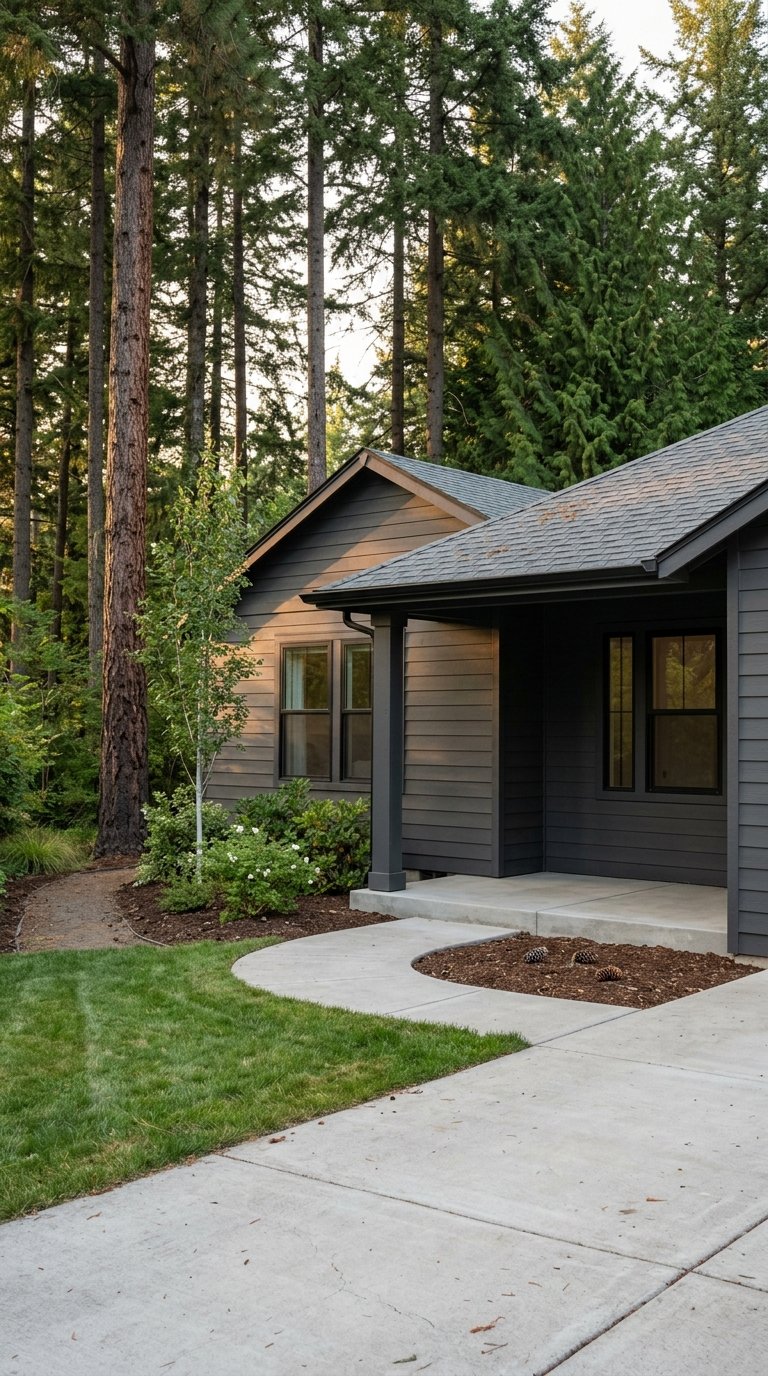
If you are dreaming about a place where trail access, mountain views, and room to spread out all come together, Council, Idaho deserves a closer look. This small Adams County community offers a lifestyle that feels connected to the outdoors, but buying here also means asking smart questions about access, utilities, land use, and seasonal conditions. Whether you want an in-town home, a cabin site, or recreational acreage, understanding how land works around Council can help you make a more confident move. Let’s dive in.
Why Council Stands Out
Council is the county seat of Adams County and sits between Cuddy Mountain and Council Mountain, giving you a setting that combines valley living with easy access to foothills and higher-elevation recreation. According to the City of Council, that location is a big part of what makes the area unique.
If you want a small-town base with meaningful outdoor access nearby, Council offers that balance. You can enjoy the feel of a rural Idaho community while still being close to trails, forest areas, and public land recreation.
Recreation Near Council
Weiser River Trail Access
One of the biggest recreational draws is the Weiser River Trail, an 84-mile rail-trail route that passes through Council. The trail includes a Council access area along Highway 95, and it also creates access to public lands that can otherwise be harder to reach.
For many buyers, that makes trail-adjacent property especially appealing. If you enjoy walking, biking, or simply living near a well-known recreation corridor, Council has an advantage that many small towns do not.
Before you buy near the trail, it helps to understand how it is managed. The Weiser River Trail rules and etiquette state that motorized vehicles are not allowed except for emergency and service use, open fires are allowed only in designated camping areas, and adjacent private property should be respected.
Forest Trails and Campgrounds
Council also gives you access to forest-based recreation. The Payette National Forest lists Council Mountain Trail #198 as a 14-mile trail open to hiking, biking, pack and saddle stock, and motorcycles.
That variety of allowed uses can be a major plus if you want a property that supports an active outdoor lifestyle. At the same time, the Forest Service notes that the Council Mountain Area includes many private parcels, and some access roads cross private land before becoming Forest Service roads.
Nearby recreation also includes Cabin Creek Campground and motorized opportunities like the Bear Gap ATV Trail. This mix gives you several ways to enjoy the area, but it also reinforces why access should be verified carefully before you count on a route for regular use.
Seasonal Conditions Matter
Outdoor living around Council changes with the seasons. Campground operations, water availability, and trail conditions can all vary depending on the time of year.
Fire restrictions are also important to watch. The research provided shows that Stage 1 and Stage 2 restrictions can affect campfires, smoking, chainsaw work, and off-road motorized travel, especially on lands outside city limits. If your goal is a cabin, recreational parcel, or seasonal getaway, that is worth planning for early.
Property Types Around Council
In-Town Homes
If you want simpler day-to-day ownership, an in-town home may be the most straightforward option. The City of Council municipal information shows that city staff can help with utility billing, payments, permits, and planning and zoning information.
That can make city lots especially attractive if you want easier access to municipal support. For buyers comparing town living to remote acreage, this is often one of the clearest tradeoffs.
There may also be tax benefits for a primary residence. The Idaho homeowner’s exemption may apply to owner-occupied homes for 50% of the home’s value and up to one acre of land, up to the statutory maximum.
Acreage and Rural Parcels
If you are looking for more room, Adams County has a long land-use history tied to timber, agriculture, and mining. The Adams County Assessor provides forms related to agricultural exemptions and timber classifications, which can be important if you are evaluating hobby acreage, timber-adjacent land, or a small cabin site.
This matters because not all acreage is taxed or classified the same way. Before you make an offer, it is smart to ask how a parcel is currently assessed and whether any exemption may apply to the land or improvements.
What to Verify Before You Buy
Confirm Legal Access
Access is one of the most important issues to check with any rural or recreational property. A parcel may look easy to reach on a map, but legal access can be very different from visible access.
Adams County records deeds, plats, surveys, easements, and rights-of-way through the Recorder’s office. The county assessor also offers GIS parcel maps and FEMA flood-insurance-rate mapping, which can help you better understand roads, boundaries, and flood exposure.
If a property is near forest land, do not assume a nearby road is public or unrestricted. The Forest Service specifically notes that in the Council Mountain Area, access roads often cross private land before reaching forest routes.
Review Zoning and Building Rules
If you hope to build a cabin, shop, or outbuilding, do not rely only on the listing description. Adams County Planning and Zoning handles rezones, variances, boundary-line adjustments, conditional use permits, and property splits through its Planning and Zoning department.
The county Building Department also requires site plans that show easements, rights-of-way, roadways, waterways, and flood zones, and it enforces 2021 IBC and 2018 IRC requirements. In practical terms, that means your building plans should be reviewed before closing, not after.
Understand Water and Septic
For rural land, water and wastewater planning can make or break a purchase. Southwest District Health issues septic permits, evaluates subdivisions for septic design and placement, and monitors small public water systems.
The same guidance explains that private water supplies are the owner’s responsibility, while well drilling permits and water rights are handled through the state. The Idaho Department of Water Resources wells page states that a drilling permit is required before a well is drilled and that the well must be constructed by a licensed driller.
If you are considering off-grid or semi-rural property, these are not small details. They should be part of your early due diligence, along with any questions about water rights tied to the property’s intended use.
Check Long-Term Stewardship Issues
Owning land around Council often comes with more responsibility than owning a standard in-town lot. For example, the Adams County Weed Department notes that noxious weeds can affect both property value and recreational value.
That means you should ask about weed pressure, land maintenance, and seasonal use limitations before buying pasture, brush, or timber parcels. These are the kinds of ownership realities that matter over time, especially if you want land for recreation as well as long-term value.
Quick Questions to Ask About Any Parcel
When you are comparing homes or land around Council, keep these questions front and center:
- Does the property have legal, recorded access?
- Is the road public, private, shared, or tied to an easement?
- Is the property served by city utilities, or will you need well and septic planning?
- What zoning, setback, or building rules apply?
- Are there seasonal fire, trail, or travel restrictions that affect use?
- How is the parcel currently taxed or classified?
These questions can save you time, money, and stress. They are especially important when a property is being marketed for lifestyle use, recreational access, or future building potential.
How Local Guidance Helps
Council offers something many buyers want: a small-town setting with unusually strong access to trails, forest land, and recreational corridors. But that opportunity comes with details that should be understood clearly, especially if you are buying acreage, land, or a rural home.
That is where local guidance matters. When you work with someone who understands both residential property and rural lifestyle considerations, you are better positioned to spot issues early, ask the right questions, and move forward with confidence.
If you are exploring homes, land, or recreational property around Council, Nikki Owens can help you navigate the details and find the right fit for how you want to live.
FAQs
What makes Council, Idaho appealing for recreation-focused buyers?
- Council offers access to the 84-mile Weiser River Trail, nearby forest trails like Council Mountain Trail #198, seasonal campgrounds, and a setting between Council Mountain and Cuddy Mountain.
What should buyers verify before purchasing land around Council, Idaho?
- You should verify legal access, easements, parcel boundaries, zoning, building rules, flood exposure, utility options, and whether the property will support a well and septic system.
Are in-town homes in Council, Idaho easier to manage than rural parcels?
- In many cases, yes. In-town homes may offer access to city utility support, permit help, and planning information, which can mean fewer infrastructure unknowns than remote acreage.
Can you build a cabin or shop on acreage near Council, Idaho?
- Possibly, but you should confirm zoning, setbacks, building-code requirements, site-plan needs, and access issues with Adams County before assuming a parcel is build-ready.
Do rural properties around Council, Idaho require special water or septic review?
- Yes. Rural parcels often require septic permitting through Southwest District Health, and wells require a drilling permit through the Idaho Department of Water Resources.
Are there seasonal restrictions that affect land use around Council, Idaho?
- Yes. Fire restrictions, campground seasonality, and trail-use rules can affect campfires, off-road travel, and how you use recreational land during different times of year.